



Kinesio Online Courses
Education is the crucial element of the Kinesio Taping Method that influences its
effectiveness and underlying philosophy of care.
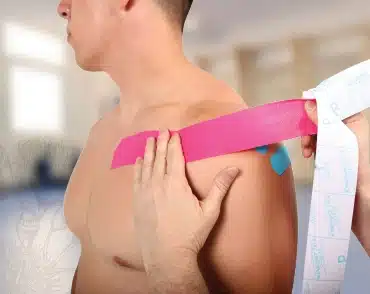
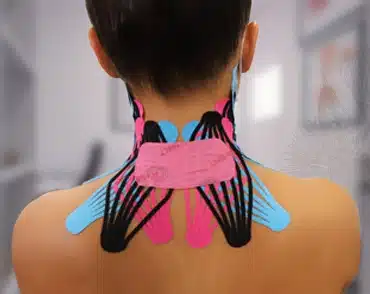

Why Choose Kinesio

Tape With Wisdom
Tape With Wisdom refers to the skill level of our medical professionals, but as Dr. Kase notes, “There is wisdom in Kinesio Tape itself.” Our education program is created to share insights into the body’s powerful natural healing and the beneficial effect “wise” taping can have to unleash it and achieve notable results for pain relief, physiological balance and overall patient advocacy.

Quality
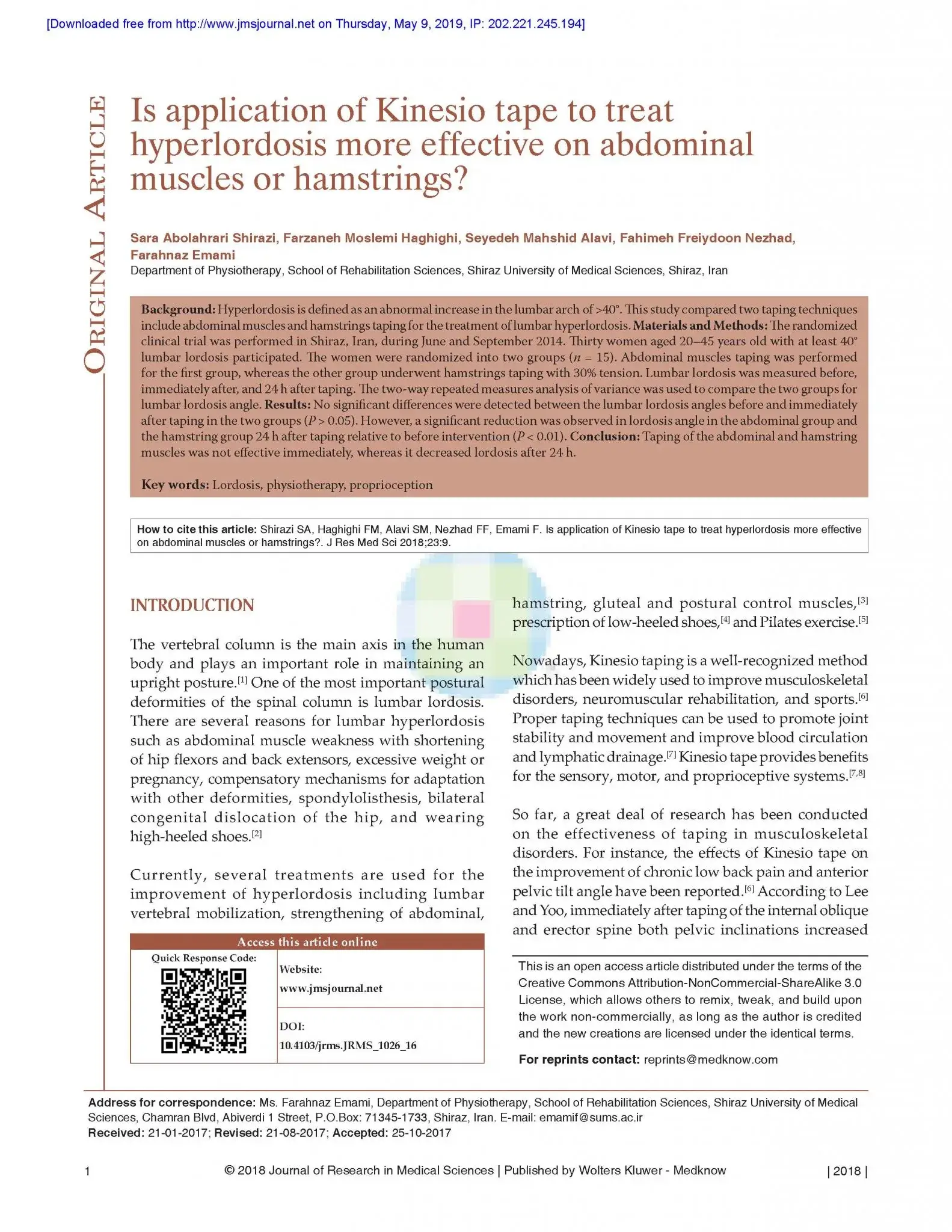
Kinesio Taping® Education is based on over 40 years of evidence based research and is one of the key elements of the Kinesio Taping Method. Kinesio Tape made with premium materials and goes through a 12 step quality check.

Purpose & Experience
We created the industry back in 1979. We aim to create the best education and taping products. We take our work very seriously, love doing what we do and we care. We strive everyday to create things that will help people live a better quality of life.
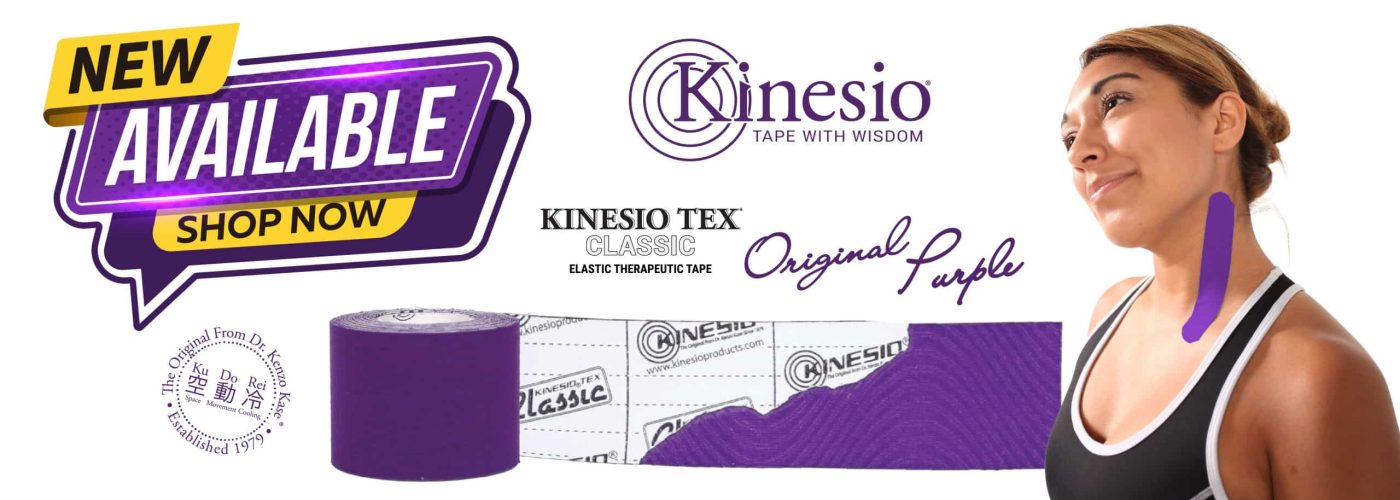
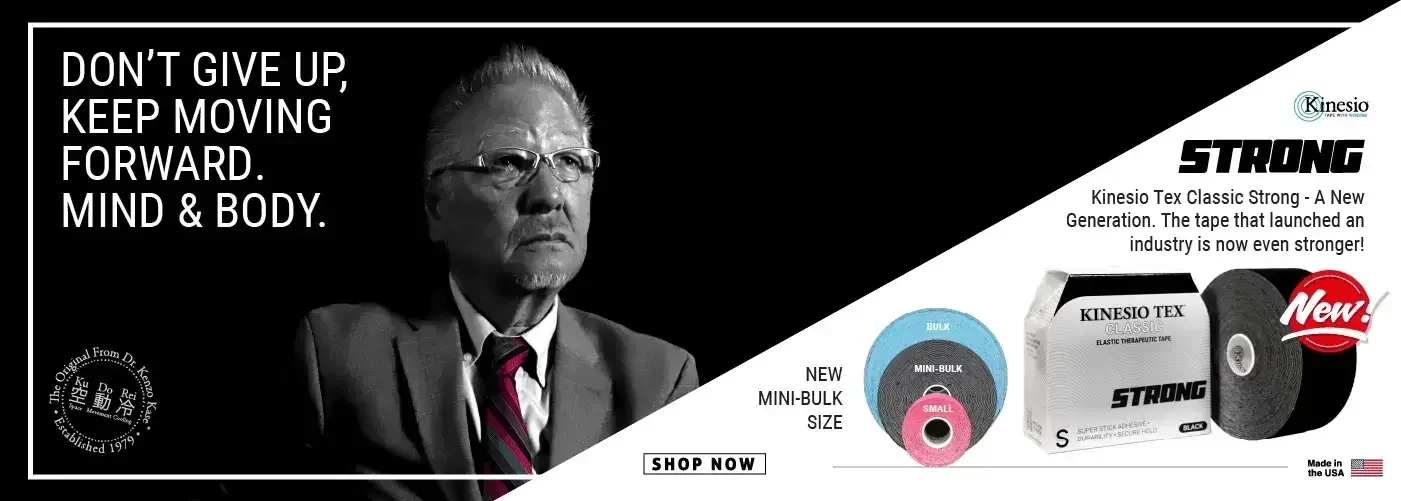
What Our Customers Say
Don’t just take if from us, let them do the talking!

“I would describe the learning environment as optimal. The instructor used pictures and demos with clinical scenarios – very helpful! He made sure to facilitate an open and respectful learning environment, and took the time to answer all questions clearly. It was relevant to my practice as a PT, and I intend to use multiple applications on my patients for issues in the fascia, muscles, epidermis, etc.”
“I loved the lab time and practice. It was extremely helpful to have course content that was relevant to my professional practice. The demonstrations were great, and the instructor ensured a respectful environment by listening and answering questions thoroughly. I feel confident that I can use Kinesio Taping immediately for patients to help carry-over from treatment to home.”

It’s been a life saver for me. I have arthritis in my middle finger . I tape my finger when I play golf and Pickleball. It feels like an ace bandage, which allows me to play without much pain. Thankyou, Thankyou, Thankyou.

My OT used this on me when was I getting therapy from her and I liked it so well that I decided to purchase it. It can be used on different parts of the body. It stays on well and it is wonderful.

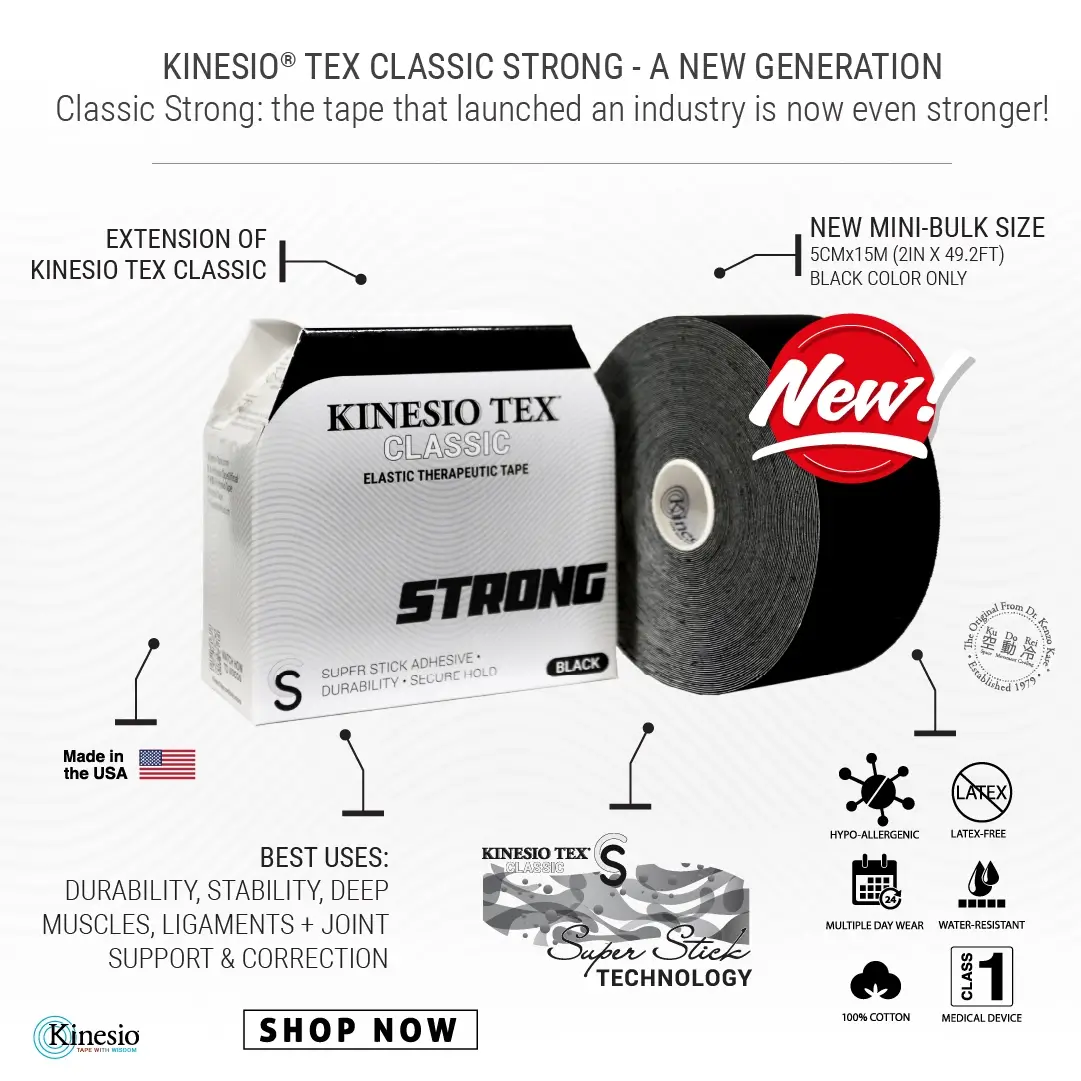
Excellent products…reliable and effective. Only wish they were offered in bulk size. I’d buy in a heartbeat!!
 Comments (0)
 On - 15-03-2023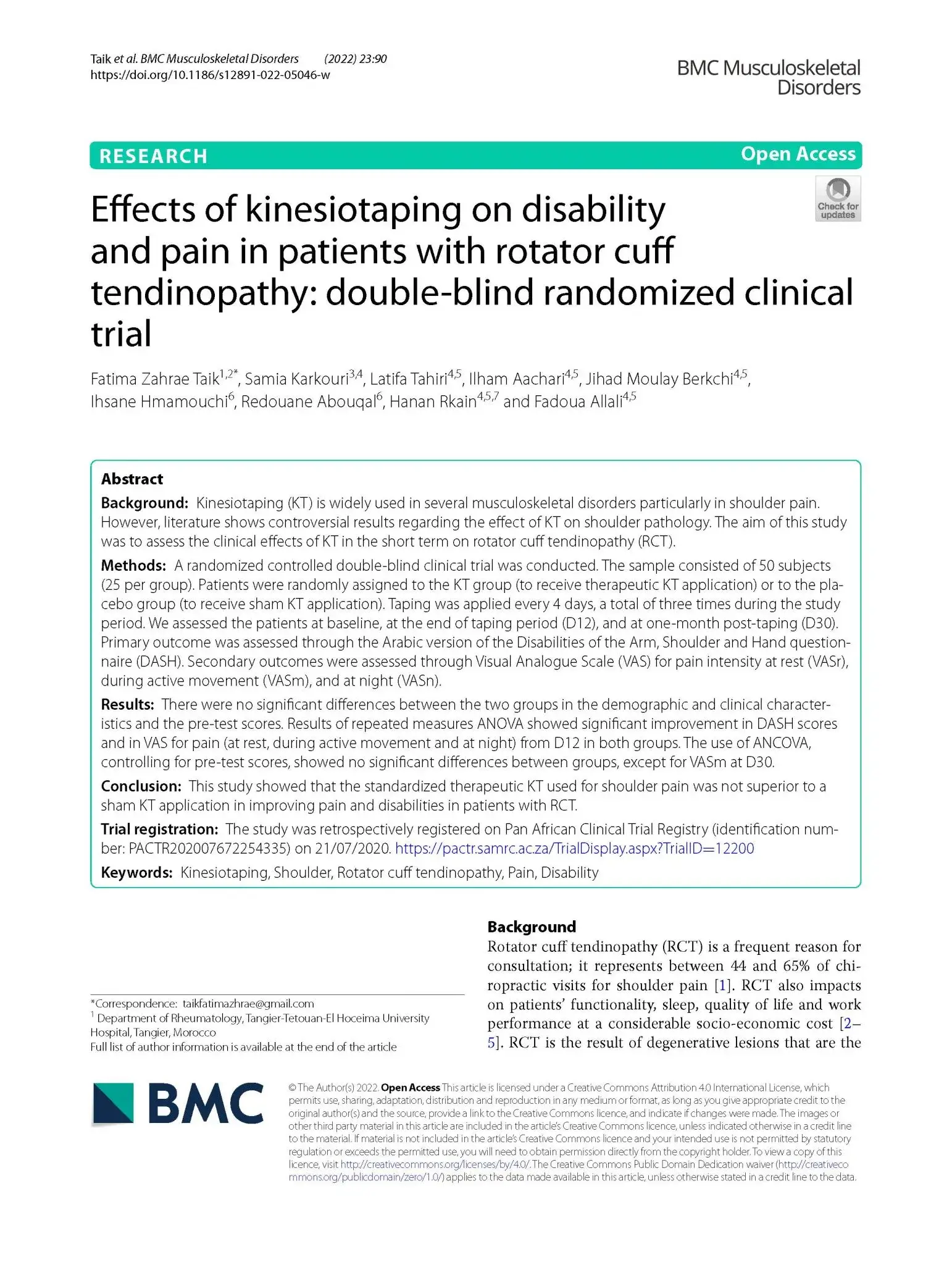
Newsletter

Sign up to get the latest Kinesio news, promotions, educational resources and events.
Unsubscribe anytime.
FAQs
What does Kinesio® Taping and Kinesio® Tape do?
The Kinesio® Taping Method is applied on the body to reduce pain and inflammation for various medical conditions. Kinesio® Tex Tape is a elastic therapeutic tape made specifically for the Kinesio Taping Method to microscopically lift the skin and motivate the body to start healing naturally. It is non- restrictive and allows for full range of motion.
Isn't all tape Kinesio tape?
No! Not all tape is created equal. Kinesio® is a name brand, just like Band-Aid®, Dr. Scholl’s®, Nike® and Under Armour®.
Isn't Kinesio, short for Kinesiology?
No. Kinesio® is the name of Kinesio Holding Corporation, a company that that specializes in developing, researching and evolving Kinesio® Tape products and the Kinesio Taping® Method as created by the company’s founder, Dr. Kenzo Kase®, in 1979.
How many CEU’s apply for the courses?
CEUs awarded for seminars vary by state and profession. They can range from 1 to 20 hours. For information for CEUs you would qualify for, please contact our Seminar Department at 1-888-320-8273 or via email at seminar@kinesiotaping.com
Learn More About Kinesio
Kinesio is a group of three organizations dedicated to the Kinesio Taping® Method:
Kinesio University®, Kinesio Taping Association International (KTAI) and Kinesio® Holding Corporation (KHC).
Each focuses on different areas of our mission.